
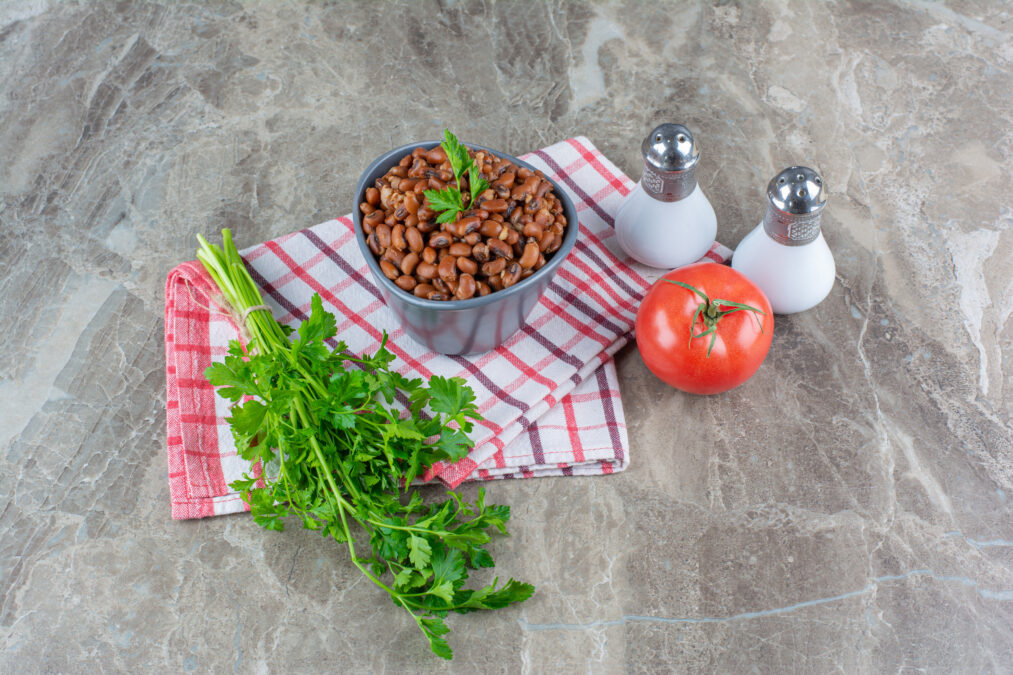

Navy beans are one of the most versatile, affordable, and nutritious legumes available today. Known for their small size, creamy texture, and mild flavor, navy beans have been a staple food in many cultures for centuries. They are commonly used in soups, stews, baked bean recipes, salads, and numerous healthy dishes. Their impressive nutritional profile, combined with their ability to absorb flavors from other ingredients, makes them a favorite among home cooks and professional chefs alike.
These white beans earned their name because they were widely served as a staple food in the United States Navy during the late nineteenth and early twentieth centuries. Today, navy beans continue to be appreciated for their high protein content, dietary fiber, vitamins, minerals, and overall health benefits. Whether you are looking to improve your diet, support heart health, or simply explore new ingredients, navy beans offer a delicious and nutritious solution.
What Are Navy Beans?
Navy beans are small white legumes belonging to the species Phaseolus vulgaris, the same family that includes kidney beans, black beans, and pinto beans. They are characterized by their oval shape, smooth skin, and mild taste. Unlike larger white beans such as cannellini beans or Great Northern beans, navy beans are relatively small and cook into a creamy consistency.
Because of their neutral flavor, navy beans work well in a wide variety of recipes. They readily absorb seasonings, herbs, spices, and broth flavors, making them highly adaptable to different cuisines. Their versatility and affordability have helped them remain a pantry staple around the world.
History of Navy Beans
The history of navy beans dates back thousands of years to Central and South America, where indigenous peoples cultivated beans as an important food source. Following European exploration and trade, beans spread across the globe and became an essential ingredient in many regional cuisines.
The term “navy bean” became popular in the United States because these beans were regularly included in naval meal plans. Their long shelf life, ease of storage, and nutritional value made them ideal for feeding sailors on extended voyages. Over time, navy beans became a common ingredient in American households, particularly in traditional baked bean recipes.
Nutritional Value of Navy Beans
Navy beans are widely recognized for their exceptional nutritional profile. They provide a combination of plant-based protein, complex carbohydrates, fiber, and essential nutrients while remaining relatively low in fat.
A typical serving of cooked navy beans contains:
- High-quality plant protein
- Dietary fiber
- Iron
- Magnesium
- Potassium
- Folate
- Phosphorus
- Manganese
- B vitamins
- Complex carbohydrates
The substantial fiber content helps promote digestive health, while the protein supports muscle maintenance and overall body function. Because navy beans are nutrient-dense and filling, they are often included in healthy eating plans.
Health Benefits of Navy Beans
Navy Beans for Heart Health
One of the most significant health benefits of navy beans is their positive impact on cardiovascular health. Their high fiber content may help support healthy cholesterol levels by reducing the absorption of excess cholesterol in the digestive tract. Additionally, potassium and magnesium contribute to maintaining healthy blood pressure levels.
Regular consumption of fiber-rich legumes such as navy beans is associated with improved heart health and a reduced risk of cardiovascular disease. Including navy beans as part of a balanced diet can be an effective way to support long-term wellness.
Navy Beans for Digestive Health
Dietary fiber plays a critical role in maintaining a healthy digestive system, and navy beans are an excellent source of both soluble and insoluble fiber. This fiber promotes regular bowel movements, supports beneficial gut bacteria, and helps prevent digestive discomfort.
The prebiotic properties of navy beans may also contribute to a healthier gut microbiome. A balanced digestive system can improve nutrient absorption and support overall health.
Navy Beans for Weight Management
Navy beans are often recommended for individuals seeking healthy weight management. Their combination of protein and fiber helps create a feeling of fullness and satisfaction after meals. This can reduce unnecessary snacking and support healthy eating habits.
Because navy beans are nutrient-dense yet relatively low in calories, they can be incorporated into a variety of meals without significantly increasing calorie intake. Their ability to keep hunger under control makes them a valuable component of many weight-conscious diets.
Navy Beans for Blood Sugar Control
The complex carbohydrates found in navy beans digest more slowly than refined carbohydrates. This gradual digestion helps promote stable blood sugar levels and may reduce rapid spikes in glucose after meals.
For individuals looking to maintain balanced energy levels throughout the day, navy beans can be an excellent choice. Their fiber content further contributes to improved blood sugar management and metabolic health.
How to Cook Navy Beans
Cooking navy beans is relatively simple, although proper preparation can improve their texture and digestibility. Dried navy beans should be sorted and rinsed before cooking to remove any debris or damaged beans.
Many people choose to soak navy beans overnight. Soaking can shorten cooking time and may help reduce compounds that cause digestive discomfort. After soaking, the beans are simmered in fresh water until tender, usually for one to two hours depending on the soaking method and desired texture.
Canned navy beans are also widely available and provide a convenient alternative. Rinsing canned beans before use can help reduce excess sodium.
Popular Navy Bean Recipes
Navy Bean Soup
Navy bean soup is one of the most beloved ways to enjoy these legumes. The beans create a rich, creamy texture while absorbing the flavors of vegetables, herbs, and seasonings. Many traditional recipes include carrots, celery, onions, and savory herbs for a comforting and nutritious meal.
Baked Navy Beans
Baked beans are perhaps the most famous navy bean dish. Slow-cooked with seasonings, sweeteners, and flavorful sauces, baked navy beans offer a delicious balance of sweetness and savory depth. This classic recipe remains popular at family gatherings and outdoor events.
Navy Bean Salad
For a lighter option, navy beans can be combined with fresh vegetables, herbs, and vinaigrette dressing to create a nutritious salad. Their mild flavor pairs well with tomatoes, cucumbers, bell peppers, and leafy greens.
Navy Bean Chili
Navy beans can serve as an excellent ingredient in chili recipes. Their creamy texture complements spicy seasonings while adding protein and fiber to the dish. They work particularly well in vegetarian chili preparations.
Navy Beans vs Other White Beans
Many people wonder how navy beans compare to other white bean varieties. While all white beans share similar nutritional qualities, there are notable differences.
Navy beans are smaller and creamier than cannellini beans. Great Northern beans are slightly larger and have a firmer texture. Cannellini beans are the largest of the three and maintain their shape well during cooking.
Because navy beans break down more easily, they are often preferred for soups, purees, and baked bean dishes. Their creamy consistency makes them particularly versatile in comfort food recipes.
Storage and Shelf Life of Navy Beans
Proper storage helps preserve the quality and flavor of navy beans. Dried navy beans should be stored in airtight containers in a cool, dry location away from direct sunlight. When stored correctly, dried beans can remain usable for several years.
Cooked navy beans should be refrigerated in sealed containers and consumed within several days. They can also be frozen for extended storage, making meal preparation more convenient.
Why Navy Beans Are a Healthy Pantry Staple
Navy beans offer an impressive combination of affordability, nutrition, and versatility. They provide substantial amounts of protein, fiber, and essential nutrients while fitting into a wide variety of dietary patterns. Whether used in soups, stews, salads, or baked dishes, navy beans deliver both flavor and nourishment.
Their long shelf life and low cost make them accessible to many households, while their nutritional benefits support overall wellness. For individuals seeking healthy and budget-friendly food options, navy beans remain one of the best choices available.
Conclusion
Navy beans are a nutritious, versatile, and economical legume that deserves a place in every kitchen. Their rich nutritional profile, including protein, fiber, vitamins, and minerals, makes them a valuable addition to a balanced diet. From supporting heart health and digestion to helping with weight management and blood sugar control, navy beans provide numerous health benefits.
Whether you enjoy them in soups, salads, baked dishes, or chili recipes, navy beans offer endless culinary possibilities. Their mild flavor and creamy texture allow them to complement a wide range of ingredients and cooking styles. By incorporating navy beans into your meals regularly, you can enjoy a delicious food that supports both health and wellness.
Frequently Asked Questions (FAQs)
What are navy beans?
Navy beans are small white legumes known for their mild flavor, creamy texture, and high nutritional value. They are commonly used in soups, baked bean dishes, and salads.
Are navy beans healthy?
Yes, navy beans are highly nutritious. They contain protein, fiber, vitamins, minerals, and complex carbohydrates that support overall health.
Do navy beans need to be soaked before cooking?
Soaking is not mandatory, but it can reduce cooking time and improve digestibility. Many people soak navy beans overnight before cooking.
What do navy beans taste like?
Navy beans have a mild, slightly nutty flavor and a creamy texture that works well in many recipes.
Are navy beans good for weight loss?
Their high protein and fiber content can help increase feelings of fullness, making them beneficial for healthy weight management.
Can navy beans help lower cholesterol?
The soluble fiber found in navy beans may help support healthy cholesterol levels as part of a balanced diet.
What is the difference between navy beans and cannellini beans?
Navy beans are smaller and creamier, while cannellini beans are larger and firmer with a slightly nuttier flavor.
How long do cooked navy beans last?
Cooked navy beans generally remain fresh in the refrigerator for three to five days when stored in an airtight container.
Can navy beans be frozen?
Yes, cooked navy beans freeze well and can be stored for several months for convenient future use.
Are navy beans suitable for vegetarians and vegans?
Absolutely. Navy beans are an excellent plant-based protein source and are commonly included in vegetarian and vegan diets.