
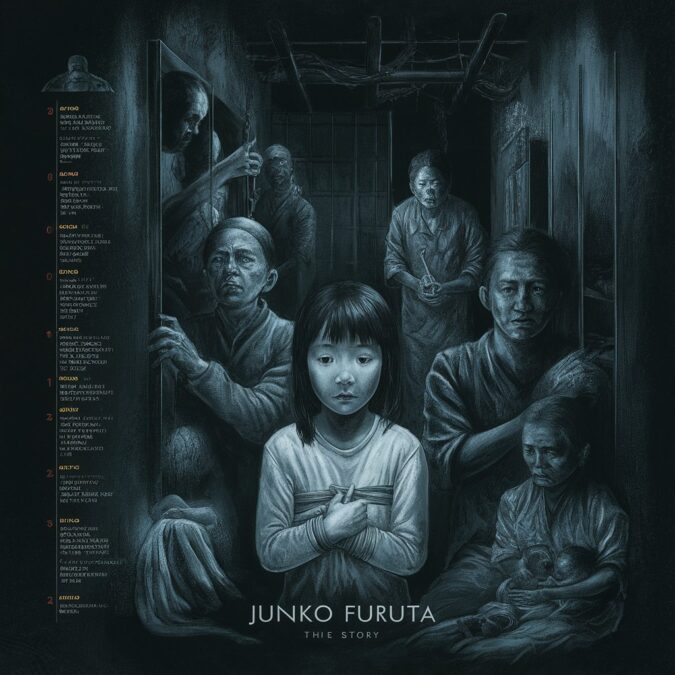

The story of Junko Furuta remains one of the most heartbreaking and disturbing cases in modern Japanese history. Her name has become synonymous with the need for justice, empathy, and reform in a society that was deeply shaken by the brutality of her suffering. In 1988, Junko Furuta, a 17-year-old high school student from Misato, Saitama Prefecture, was kidnapped, tortured, and murdered in a crime so horrific that it continues to haunt Japan decades later. Her case is not only a tragic account of unimaginable cruelty but also a reflection of the flaws in the justice system and the societal attitudes of the time.
This article explores the life of Junko Furuta, the events surrounding her abduction and murder, the investigation and trial that followed, and the lasting impact her story has had on Japan’s legal and cultural landscape. It serves as both a remembrance of her life and a reminder of the importance of compassion, awareness, and justice for victims of violence.
The Life of Junko Furuta
Before the tragedy that took her life, Junko Furuta was known as a bright, kind, and ambitious young woman. Born in 1971, she was a diligent student who attended Yashio-Minami High School. Friends and teachers described her as cheerful, responsible, and hardworking. She had dreams of pursuing a stable career after graduation and was admired for her maturity and independence.
Junko came from a loving family and lived a normal teenage life filled with school, friends, and aspirations for the future. Her story resonates deeply because she represented the innocence and promise of youth—qualities that were cruelly destroyed by senseless violence. Her life, though tragically short, continues to symbolize the vulnerability of victims and the urgent need for stronger protections against crime.

The Abduction and the 44 Days of Horror
On November 25, 1988, Junko Furuta was abducted by a group of teenage boys led by Hiroshi Miyano, who was known for his involvement with local gangs. The group lured her under false pretenses and took her to a house in Adachi, Tokyo, where she was held captive for 44 days. What followed was a period of unimaginable suffering.
During her captivity, Junko was subjected to extreme physical and psychological torture. The perpetrators inflicted continuous abuse, and despite opportunities for intervention, neighbors and even the parents of one of the boys failed to act decisively. The cruelty she endured shocked the nation when the details were later revealed.
Her ordeal ended on January 4, 1989, when she succumbed to her injuries. Her body was placed in a drum filled with concrete and abandoned. The discovery of her remains led to one of the most infamous criminal investigations in Japan’s history.
The Investigation and Trial
The investigation into Junko Furuta’s murder exposed not only the brutality of the crime but also the shortcomings of Japan’s juvenile justice system. The perpetrators, all minors at the time, were arrested and charged, but their sentences were widely criticized as being too lenient given the severity of their actions.
Public outrage grew as details of the case emerged. Many questioned how such a horrific crime could go unnoticed for so long and why the legal system allowed the offenders to receive relatively light punishments. The case sparked national debates about juvenile crime, victim protection, and the balance between rehabilitation and justice.
Despite the passage of time, the names of the perpetrators remain infamous, and the case continues to be cited in discussions about criminal reform in Japan. For many, the trial represented a failure of justice, as the sentences did not reflect the magnitude of the suffering inflicted upon Junko Furuta.
The Impact on Japanese Society
The Junko Furuta case had a profound impact on Japanese society. It shattered the perception of Japan as a nation largely free from violent crime and forced the public to confront uncomfortable truths about youth delinquency, social indifference, and systemic failures.
The case led to increased awareness about the need for stronger laws to protect victims and harsher penalties for violent offenders, regardless of age. It also inspired advocacy groups to push for reforms in how crimes involving minors are prosecuted. The tragedy became a catalyst for discussions about moral responsibility, community vigilance, and the importance of empathy in preventing similar incidents.
In the years following the case, Japan introduced measures to strengthen victim support systems and improve the transparency of juvenile trials. While these changes cannot undo the past, they represent steps toward ensuring that such a tragedy is never repeated.
Remembering Junko Furuta
Remembering Junko Furuta is not only about recounting the details of her suffering but also about honoring her life and the lessons her story teaches. She was a young woman with dreams, kindness, and potential—qualities that deserve to be remembered beyond the tragedy.
Her story serves as a reminder of the importance of compassion and vigilance in society. It calls attention to the need for communities to act when they witness wrongdoing and for justice systems to prioritize the protection of victims over the leniency of perpetrators.
Over the years, Junko Furuta’s name has become a symbol of resilience and a call for justice. Memorials, articles, and discussions continue to keep her memory alive, ensuring that her story is not forgotten and that it continues to inspire change.
Conclusion
The story of Junko Furuta is one of the darkest chapters in Japan’s modern history, but it is also a story that has driven awareness, reform, and reflection. Her suffering exposed the flaws in the justice system and the dangers of societal apathy, while her memory continues to inspire efforts toward a safer and more compassionate world.
Though decades have passed since her death, Junko Furuta’s legacy endures as a reminder of the importance of justice, empathy, and accountability. Her story compels us to confront the realities of violence and to work collectively to ensure that no one else endures such unimaginable pain. In remembering her, we reaffirm our commitment to humanity and the pursuit of a world where every life is valued and protected.
Frequently Asked Questions (FAQ)
Who was Junko Furuta?
Junko Furuta was a 17-year-old Japanese high school student who was kidnapped, tortured, and murdered in 1988. Her case is one of the most infamous crimes in Japan’s history.
What happened to Junko Furuta?
She was abducted by a group of teenage boys and held captive for 44 days, during which she suffered severe abuse before being killed. Her body was later found encased in concrete.
Were the perpetrators punished?
Yes, the perpetrators were arrested and convicted, but their sentences were widely criticized as too lenient due to their status as minors at the time of the crime.
How did the Junko Furuta case affect Japan?
The case led to widespread outrage and prompted discussions about juvenile justice reform, victim protection, and the need for stronger community awareness.
Why is Junko Furuta’s story still remembered today?
Her story remains a symbol of the need for justice, empathy, and societal responsibility. It continues to raise awareness about violence, victim rights, and the importance of preventing similar tragedies.