

Table of Contents
ToggleGouda cheese is one of the most beloved and recognizable cheeses in the world, celebrated for its creamy texture, rich flavor, and incredible versatility in cooking. Originating in the Netherlands, Gouda cheese has become a staple in homes, restaurants, and gourmet kitchens across the globe. Whether enjoyed on a cheeseboard, melted into comfort foods, or paired with fruits and wine, Gouda offers a unique experience that appeals to both casual cheese lovers and culinary enthusiasts.
What makes Gouda cheese truly fascinating is the variety of flavors it can develop over time. Young Gouda is smooth, mild, and buttery, while aged Gouda becomes firmer with deep caramel notes and crunchy protein crystals. This transformation makes Gouda a cheese suitable for every taste preference and occasion. Beyond flavor, Gouda cheese also contains valuable nutrients such as calcium, protein, and essential vitamins, making it both delicious and nourishing.
In this comprehensive guide, you will learn everything about Gouda cheese, including its history, production process, flavor profiles, nutritional benefits, culinary applications, storage methods, and much more. By the end of this article, you will understand why Gouda cheese continues to hold a special place in global food culture.
The History of Gouda Cheese
The story of Gouda cheese dates back several centuries to the Netherlands, specifically the city of Gouda in South Holland. The cheese earned its name from the city where farmers traditionally brought their cheeses to market for trade and sale. During the Middle Ages, Gouda became an essential part of Dutch commerce and gained international popularity due to the Netherlands’ strong trading networks.
Historically, Dutch farmers produced cheese as a way to preserve milk for longer periods. Gouda cheese quickly became favored because of its smooth texture, balanced flavor, and long shelf life. By the seventeenth century, Dutch cheese exports flourished throughout Europe, and Gouda emerged as one of the nation’s most valuable food products.
Over time, Gouda production techniques evolved while still preserving many traditional methods. Today, authentic Dutch Gouda remains highly respected, and some varieties even carry protected geographical status. Despite modern industrial production, artisanal Gouda makers continue crafting cheese using age-old recipes that preserve the authentic taste and quality of this iconic dairy product.
What Is Gouda Cheese?
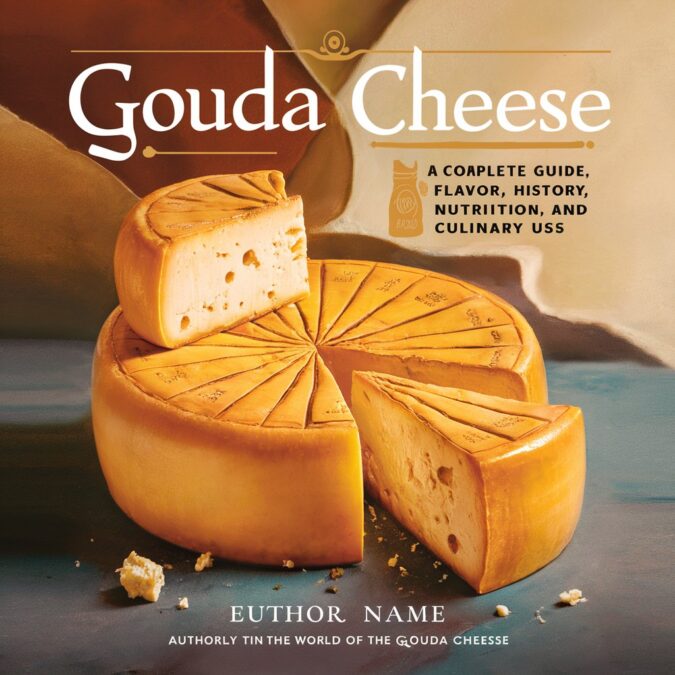
Gouda cheese is a semi-hard cheese traditionally made from cow’s milk, although goat and sheep milk versions also exist. It is known for its smooth interior, creamy consistency, and wax-coated rind, usually colored red, yellow, or black depending on the aging process.
The cheese is made through a unique washing-curd technique in which some whey is removed and replaced with warm water. This process lowers lactose content and contributes to Gouda’s mild sweetness. The cheese is then pressed into molds, soaked in brine, and aged for varying lengths of time.
Gouda cheese can range from very young to extremely aged. Young Gouda typically matures for a few weeks and has a soft, buttery flavor. Aged Gouda may mature for years, developing harder textures and complex nutty, caramel-like characteristics. This diversity makes Gouda suitable for many culinary uses and flavor preferences.
Different Types of Gouda Cheese
Young Gouda Cheese
Young Gouda is usually aged for four weeks to two months. It has a soft texture, mild sweetness, and creamy consistency that makes it ideal for sandwiches, burgers, and snacks. Its delicate flavor appeals to children and those who prefer subtle cheeses.
Smoked Gouda Cheese
Smoked Gouda is known for its rich smoky aroma and savory depth. The cheese is often smoked over wood chips, giving it a distinctive flavor that pairs wonderfully with meats, crackers, and soups.
Aged Gouda Cheese
Aged Gouda can mature anywhere from six months to several years. As it ages, the cheese becomes firmer and develops complex flavors with hints of caramel, butterscotch, and toasted nuts. Tiny crunchy crystals often appear in well-aged Gouda, adding a unique texture.
Goat Milk Gouda
Some producers craft Gouda using goat’s milk instead of cow’s milk. This version has a tangier flavor and is often easier to digest for some individuals. Goat Gouda offers a creamy texture with earthy undertones.
Herb and Flavored Gouda
Modern cheese makers frequently experiment with herbs, spices, and seasonings. Popular variations include garlic Gouda, cumin Gouda, pesto Gouda, and truffle Gouda. These specialty cheeses provide exciting flavors for gourmet dishes and cheese platters.
How Gouda Cheese Is Made
The production of Gouda cheese combines science, craftsmanship, and tradition. The process begins with fresh milk, which is heated and mixed with bacterial cultures and rennet to form curds. Once the curds develop, part of the whey is drained and replaced with warm water, reducing acidity and contributing to Gouda’s signature sweetness.
The curds are then pressed into round molds that shape the cheese wheels. After molding, the cheese is soaked in a salt brine solution that enhances flavor and preservation. The wheels are then dried and coated with wax to protect them during aging.
Aging is one of the most critical stages in Gouda production. Depending on the desired flavor profile, the cheese may mature for weeks, months, or years. During this period, moisture levels decrease while flavors intensify. Cheese makers carefully monitor temperature and humidity to ensure consistent quality.

Flavor Profile of Gouda Cheese
The flavor of Gouda cheese changes dramatically with age. Young Gouda has a creamy, buttery taste with mild sweetness and subtle fruity notes. Its texture is smooth and elastic, making it easy to slice and melt.
As Gouda matures, its flavor deepens and becomes more complex. Aged varieties feature nutty, caramelized, and slightly salty characteristics. Some people detect flavors resembling brown butter, whiskey, or roasted nuts. The texture also changes, becoming firmer and sometimes crumbly.
Smoked Gouda introduces an entirely different dimension with rich smoky undertones that enhance savory dishes. This versatility in flavor is one reason Gouda remains popular among chefs and cheese enthusiasts worldwide.
Nutritional Benefits of Gouda Cheese
Gouda cheese offers several nutritional benefits when consumed in moderation. It is a rich source of protein, calcium, phosphorus, and vitamin B12. These nutrients contribute to bone health, muscle maintenance, and energy production.
Calcium in Gouda supports strong teeth and bones, while protein helps repair body tissues and promotes satiety. Vitamin B12 is essential for nervous system function and red blood cell production. Gouda also contains healthy fats that provide energy and aid nutrient absorption.
Because aged Gouda contains less lactose than many fresh dairy products, some individuals with mild lactose sensitivity may tolerate it better. However, Gouda is still relatively high in sodium and saturated fat, so balanced consumption is recommended as part of a healthy diet.
Best Ways to Eat Gouda Cheese
One of the greatest strengths of Gouda cheese is its versatility in the kitchen. Young Gouda melts beautifully, making it excellent for grilled cheese sandwiches, macaroni dishes, burgers, and casseroles. Its creamy texture enhances comfort foods and savory recipes.
Aged Gouda is often enjoyed on cheese boards with fruits, nuts, crackers, and cured meats. Apples, pears, grapes, almonds, and walnuts pair exceptionally well with Gouda’s nutty sweetness. Honey and fig jam also complement the cheese beautifully.
Smoked Gouda works wonderfully in soups, mashed potatoes, and pasta dishes. It adds depth and richness that elevate simple recipes. Gouda can even be shredded onto salads or baked into artisan breads for added flavor.
Wine and Beverage Pairings with Gouda Cheese
Pairing Gouda cheese with beverages can significantly enhance the tasting experience. Young Gouda pairs well with light white wines, pilsners, and fruity ciders because its mild creaminess complements fresh flavors.
Aged Gouda matches beautifully with bold red wines, dark ales, whiskey, and port wine. The caramelized notes of aged cheese harmonize with complex beverages, creating a luxurious tasting combination.
Smoked Gouda pairs nicely with smoky beers, bourbon, and robust red wines. Coffee and hot chocolate can also complement Gouda’s rich flavor profile, especially during colder seasons.
How to Store Gouda Cheese Properly
Proper storage is essential to maintain the quality and freshness of Gouda cheese. Cheese should be wrapped in wax paper or parchment paper and then loosely covered in plastic wrap or stored in a partially sealed container. This method allows the cheese to breathe while preventing excessive drying.
Gouda should be stored in the refrigerator’s cheese or vegetable drawer where humidity levels are more stable. Avoid freezing Gouda if possible, as freezing can negatively affect texture and flavor.
If mold develops on aged Gouda, it can often be trimmed away safely by cutting at least one inch around the affected area. However, soft Gouda with extensive mold should be discarded.
Gouda Cheese Around the World
Although Gouda originated in the Netherlands, it is now produced globally in countries such as the United States, Canada, Germany, and Australia. Different regions adapt Gouda-making traditions to local tastes and milk sources, creating unique variations.
Dutch Gouda remains especially prized due to its authenticity and traditional craftsmanship. Cheese festivals and markets in the Netherlands continue celebrating Gouda’s heritage, attracting tourists and food lovers from around the world.
International popularity has also inspired creative Gouda recipes and fusion dishes, demonstrating how adaptable and universally appreciated this cheese has become.
Conclusion
Gouda cheese has earned its reputation as one of the world’s finest cheeses through centuries of tradition, craftsmanship, and culinary excellence. From its humble beginnings in the Netherlands to its global popularity today, Gouda continues to delight people with its creamy texture, evolving flavors, and remarkable versatility.
Whether you prefer the mild smoothness of young Gouda or the bold caramel richness of aged varieties, there is a type of Gouda cheese suited for every palate. Its nutritional value, cooking flexibility, and ability to pair beautifully with countless foods and beverages make it a timeless favorite in kitchens worldwide.
Exploring Gouda cheese is more than simply tasting dairy; it is experiencing a rich cultural tradition that has stood the test of time. For cheese enthusiasts and curious food lovers alike, Gouda remains an unforgettable culinary treasure.
Frequently Asked Questions About Gouda Cheese
What does Gouda cheese taste like?
Young Gouda tastes creamy, mild, and slightly sweet, while aged Gouda develops nutty, caramel-like, and savory flavors with a firmer texture.
Is Gouda cheese healthy?
Gouda cheese contains protein, calcium, vitamin B12, and healthy fats. It can be part of a balanced diet when eaten in moderation.
Can Gouda cheese melt well?
Yes, young Gouda melts exceptionally well and is commonly used in sandwiches, pasta dishes, soups, and casseroles.
What pairs well with Gouda cheese?
Gouda pairs beautifully with fruits, nuts, crackers, cured meats, wine, beer, and sweet spreads like honey or fig jam.
Is Gouda cheese lactose-free?
Aged Gouda contains lower levels of lactose compared to fresh dairy products, making it easier for some lactose-sensitive individuals to digest.
How long can Gouda cheese last?
When stored properly in the refrigerator, Gouda cheese can last several weeks. Aged Gouda generally lasts longer than young Gouda.
What is the difference between Gouda and cheddar cheese?
Gouda is sweeter and creamier due to the washed-curd process, while cheddar often has a sharper and tangier flavor profile.
Why does aged Gouda have crunchy crystals?
Those crunchy bits are protein crystals formed during aging. They are completely natural and highly valued for texture and flavor complexity.